Perfume Guide: A Comprehensive Overview (Updated 12/12/2025)
Today is 12/12/2025 18:23:56 (). This guide explores the captivating world of fragrance, detailing perfume types formed by varying concentrations of aromatic oils.
What is Perfume?
Perfume, derived from the French word “parfum,” represents a meticulously crafted blend of fragrant essential oils or aroma compounds, fixatives, and solvents. These elements harmoniously combine to impart a delightful scent to individuals, animals, objects, and even living spaces. The art of perfumery isn’t merely about pleasant smells; it’s about evoking emotions and creating lasting impressions.
A fragrance’s initial encounter sparks connections, intertwining scent with personal feelings. A captivating perfume can instantly elevate one’s presence, while a lingering aroma—like a friend’s floral scent—can evoke cherished memories long after the source has departed. The concentration of fragrance oils within a perfume dictates its intensity and longevity, ranging from lighter options to potent extracts.
Ultimately, perfume is a form of self-expression, allowing individuals to curate their olfactory signature and navigate a world brimming with floral, fruity, fresh, and woody notes. It’s a sensory experience that transcends mere aesthetics.
The History of Perfume
The history of perfume is remarkably ancient, tracing back to early civilizations. Evidence suggests its origins lie in ancient Egypt and Mesopotamia, where fragrant resins, spices, and oils were used in religious rituals and for embalming. These early scents weren’t solely about aesthetics; they held spiritual and medicinal significance.
The art of perfumery flourished with the Romans and Persians, who refined extraction techniques and expanded the range of available ingredients. During the Middle Ages, Crusaders brought new aromas from the East to Europe, sparking a renewed interest in fragrance. The Renaissance saw the development of alcohol-based perfumes, notably in Italy, paving the way for modern perfumery.
France quickly became the epicenter of perfume creation, with Grasse establishing itself as the perfume capital of the world. The 18th and 19th centuries witnessed significant advancements in chemistry, enabling the isolation of individual scent molecules and the creation of entirely new fragrances. Today, perfume continues to evolve, blending tradition with innovation.

Understanding Perfume Concentrations
Perfume types differ based on fragrance oil concentration. Higher concentrations mean longer-lasting scents, ranging from the potent Parfum to the lighter Eau de Cologne options.
Parfum (Perfume Extract) ⸺ The Highest Concentration
Parfum, also known as Perfume Extract, represents the pinnacle of fragrance intensity. At the very top of the concentration scale, Parfum boasts a remarkable 20-40% concentration of aromatic compounds. This substantial oil content translates to an exceptionally long-lasting scent experience, often lingering on the skin for six to eight hours, or even longer.
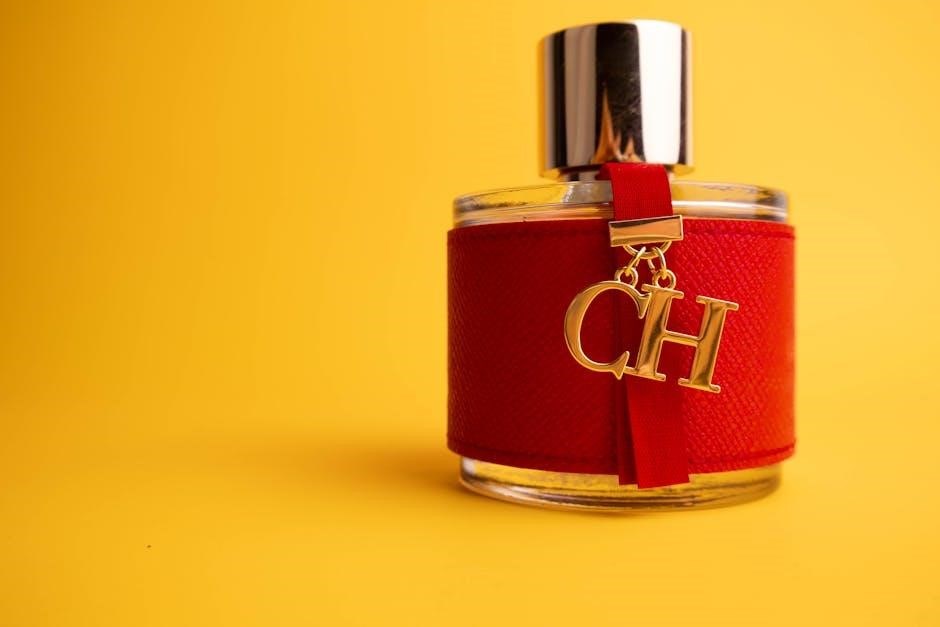
Due to its high concentration, Parfum is typically the most expensive option. A little goes a long way; just a single application can provide a noticeable and enduring fragrance trail. It’s ideal for those who desire a powerful, sophisticated scent that makes a lasting impression. The rich composition ensures a complex and evolving aroma, unfolding beautifully over time. Parfum is often favored for special occasions or by individuals with a preference for bold, luxurious fragrances.
Eau de Parfum (EdP) ⎻ A Popular Choice
Eau de Parfum (EdP) strikes a harmonious balance between fragrance intensity and affordability, making it a widely popular choice among perfume enthusiasts. Typically containing a 15-20% concentration of perfume oils, EdP offers a noticeable and long-lasting scent profile, generally lasting four to five hours on the skin.
This concentration level allows for a richer, more complex aroma compared to lighter options like Eau de Toilette or Eau de Cologne. EdP fragrances are versatile enough for both everyday wear and special occasions, providing a sophisticated and enduring scent without being overpowering. The higher oil concentration also contributes to a more pronounced projection, meaning the fragrance is more easily detectable by others. EdP is a fantastic entry point for those exploring the world of perfume, offering a substantial fragrance experience at a reasonable price point;
Eau de Toilette (EdT) ⸺ Lighter and Fresher
Eau de Toilette (EdT) presents a lighter, fresher fragrance experience, ideal for daytime wear or warmer climates. Characterized by a perfume oil concentration typically ranging from 5-15%, EdT offers a more subtle scent that’s invigorating without being overwhelming. This concentration generally lasts for two to three hours, requiring reapplication throughout the day for continued fragrance.
EdTs are often favored for their affordability and versatility. They frequently feature brighter, citrusy, or floral notes, making them perfect for casual settings. The lighter concentration makes EdT a good choice for individuals who prefer a less pronounced scent or are sensitive to stronger fragrances. While not as long-lasting as Eau de Parfum, EdT provides a refreshing and pleasant aroma that’s perfect for a quick boost of confidence or a subtle impression. It’s a classic choice for everyday use.
Eau de Cologne (EdC) ⎻ The Lightest Option
Eau de Cologne (EdC) represents the lightest concentration of perfume oils, typically ranging between 2-4%. Historically originating in Cologne, Germany, EdC was initially a refreshing citrus-based blend. Modern EdCs, however, can incorporate a wider variety of fragrance notes, though they maintain their light and airy character.
Due to its low concentration, EdC offers the shortest longevity, usually lasting up to two hours. This makes it ideal for a quick refresh or a light spritz throughout the day. EdCs are often very affordable and are a popular choice for those who prefer a subtle scent or are new to fragrance exploration. They are particularly well-suited for warmer weather, providing a cooling and invigorating effect. While not as complex or long-lasting as other concentrations, EdC remains a classic and accessible entry point into the world of perfume.

Fragrance Families: Identifying Your Preferences
Perfume scents are categorized into families – floral, oriental, woody, and fresh – helping you navigate the vast world of fragrances and pinpoint your ideal olfactory profile.
Floral Fragrances ⎻ Classic and Romantic
Floral fragrances represent a timeless and incredibly popular category within the perfume world, often evoking feelings of romance, femininity, and natural beauty. These scents are built around the aromas of single flowers – such as rose, jasmine, lily of the valley, or tuberose – or sophisticated bouquets blending multiple floral notes.
The versatility of floral fragrances is remarkable. They can range from light and airy, like a delicate violet, to rich and intoxicating, like a gardenia. Subcategories exist within florals, including fruity florals which add a touch of sweetness, and floral aldehydes, offering a more modern and sparkling interpretation.
When selecting a floral perfume, consider the specific flower notes that appeal to you. Rose scents are classic and elegant, jasmine is often associated with sensuality, and lily of the valley provides a fresh, green floralcy. Floral fragrances are excellent choices for both everyday wear and special occasions, offering a universally appealing and comforting aroma.
Oriental Fragrances ⸺ Warm and Spicy
Oriental fragrances, also often referred to as amber fragrances, are known for their rich, warm, and often sensual character. These perfumes are built upon a foundation of exotic spices, resins, and sweet notes, creating a captivating and long-lasting scent experience. Common ingredients include vanilla, amber, musk, cinnamon, clove, and cardamom.
Oriental scents are typically heavier and more potent than floral or fresh fragrances, making them ideal for evening wear or cooler seasons. They possess a luxurious and inviting quality, often evoking images of opulent palaces and faraway lands. Modern interpretations may blend oriental notes with florals or fruits, creating a more balanced and wearable composition.
The warmth of oriental perfumes can be incredibly comforting and alluring. They are a fantastic choice for those who prefer a bolder, more distinctive scent that leaves a memorable impression. Consider layering with lighter notes for a customized and nuanced fragrance profile.
Woody Fragrances ⸺ Earthy and Sophisticated
Woody fragrances evoke a sense of grounding and natural elegance. These perfumes center around the aroma of various woods – sandalwood, cedarwood, vetiver, patchouli, and oud being the most prominent. They often present as dry, warm, and subtly smoky, offering a sophisticated and timeless appeal.
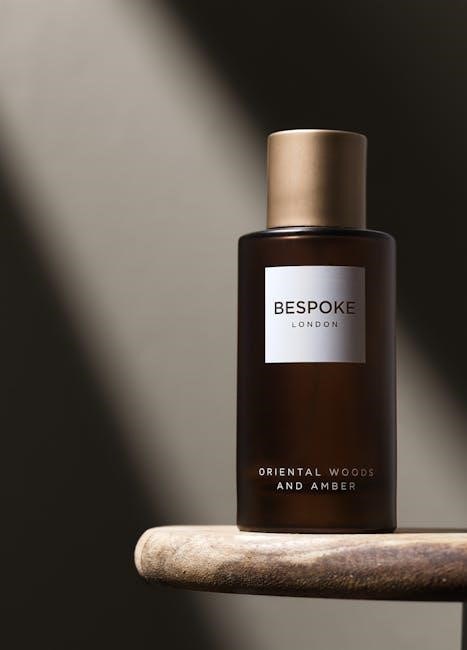
Woody scents aren’t necessarily limited to a single profile; they frequently blend beautifully with other fragrance families. Floral woods combine the earthiness with delicate blossoms, while oriental woods amplify the warmth and spice. They can be incredibly versatile, suitable for both men and women, and adaptable to different seasons.
The sophistication of woody notes makes them ideal for those seeking a refined and understated fragrance. They project confidence and maturity, offering a comforting and enduring scent experience. Consider exploring different wood combinations to discover your preferred level of intensity and complexity.
Fresh Fragrances ⸺ Clean and Invigorating
Fresh fragrances are designed to evoke a sense of cleanliness, energy, and revitalization. These scents typically feature notes of citrus fruits (lemon, grapefruit, bergamot), aquatic accords (sea salt, marine notes), green notes (grass, leaves), and crisp fruits like apple or pear. They are often light, airy, and incredibly uplifting.
This fragrance family is exceptionally popular for warmer weather, offering a cooling and refreshing escape. However, lighter fresh scents can be enjoyed year-round. They are often perceived as youthful and sporty, making them a great choice for everyday wear. Fresh fragrances are also incredibly versatile and blend well with other families.
If you enjoy a fragrance that doesn’t overwhelm but rather provides a subtle boost of energy, a fresh scent might be perfect for you. They are ideal for those who prefer a clean and uncomplicated olfactory experience, leaving a lasting impression of vitality.
The Anatomy of a Perfume
Perfume is a carefully constructed blend of notes—top, middle (heart), and base—that create a fragrance’s overall character and evolution over time.
Top Notes ⎻ The First Impression
Top notes form the initial olfactory experience of a perfume, representing approximately 15-25% of the fragrance composition. These are the scents you immediately perceive upon application, creating that crucial first impression. Characteristically, top notes are light, fresh, and volatile, meaning they dissipate quickly – typically within 5 to 15 minutes.
Common top note ingredients include citrus fruits like bergamot, lemon, and grapefruit, alongside light floral aromas such as lavender or rose, and even herbal elements. Their purpose isn’t longevity, but rather to grab attention and entice the wearer and those nearby. They essentially ‘spark’ interest and pave the way for the more complex heart and base notes to unfold.
Because of their fleeting nature, top notes are often chosen to be bright and invigorating, offering an immediate burst of freshness. While they don’t define the perfume’s overall character, they significantly influence whether someone is initially drawn to a scent.
Middle (Heart) Notes ⎻ The Core of the Fragrance
Middle (or heart) notes emerge after the top notes fade, forming the central character of the perfume – typically constituting 40-80% of the fragrance. These notes develop 20-60 minutes after application and last for several hours, defining the perfume’s true personality and providing a bridge between the initial impression and the lasting base.
Heart notes are generally more rounded and complex than top notes, often featuring floral scents like jasmine, rose, or ylang-ylang, alongside spicy notes like cinnamon or nutmeg, and fruity accords. They contribute depth and richness, shaping the overall theme of the fragrance.
The heart notes are crucial in determining whether a perfume aligns with an individual’s preferences. They are more substantial and enduring than the fleeting top notes, offering a more complete and nuanced olfactory experience. A well-balanced heart is essential for a harmonious and captivating fragrance.
Base Notes ⸺ The Long-Lasting Foundation
Base notes provide the foundation for a perfume, emerging after the evaporation of top and middle notes. They represent approximately 25-50% of the fragrance composition and are responsible for its longevity, often lingering on the skin for several hours, even up to a full day. These notes anchor the scent, adding depth and richness.
Common base notes include woody elements like sandalwood and cedarwood, amber, musk, vanilla, and patchouli. They are typically heavier and more tenacious, providing a warm and grounding effect. These notes interact with individual skin chemistry, creating a unique scent profile for each wearer.
The quality of base notes significantly impacts a perfume’s overall impression and staying power. They are the final, lasting memory of the fragrance, contributing to its complexity and sophistication. A well-chosen base provides a subtle yet enduring appeal.
Applying Perfume: Maximizing Longevity
Wearing fragrance is fun and easy – let your olfactory system guide you! Discover floral, fruity, fresh, and woody scents that linger, creating a memorable impression.
Pulse Points ⎻ Where to Apply
To maximize the longevity of your fragrance, strategic application is key. Perfume interacts with your body’s natural heat, radiating the scent more effectively. Focus on pulse points – areas where blood vessels are closest to the skin’s surface. These include the wrists, inner elbows, behind the ears, the base of the throat, and behind the knees.
Applying perfume to these warmer areas helps to diffuse the fragrance throughout the day. A gentle touch is sufficient; avoid rubbing your wrists together, as this can break down the fragrance molecules and alter the scent profile. Consider a light misting on your décolletage or even between your ankles for a subtle, lingering trail. Remember, a little goes a long way, especially with higher concentration perfumes like Parfum. Experiment to find what works best for you and your chosen fragrance!
Layering Fragrances ⸺ Creating a Unique Scent
Layering fragrances is an art form that allows you to personalize your scent and create a truly unique olfactory experience. This technique involves combining different fragrances – from the same brand or even different houses – to build a complex and evolving aroma. Start with a base layer, often a woody or musky scent, to provide a foundation.
Next, add a middle layer with floral or spicy notes to create the heart of the fragrance. Finally, finish with top notes – fresh and citrusy scents – for an initial burst of aroma. When layering, begin with lighter scents and build towards heavier ones. Consider using products within the same fragrance family for a harmonious blend, or experiment with complementary notes for a more daring combination. Remember, wearing fragrance is fun and easy – let your olfactory system guide you!