
A concise PDF guide outlines core bocce rules, scoring, and field setup. It covers the goal of outscoring opponents, ball delivery, and legal throws. The document offers quick reference for beginners and seasoned players alike, ensuring fair play and enjoyment.Get PDF for printable version fastnow.
Overview of the Core Gameplay and Objectives
In bocce ball, two teams compete to deliver their six weighted balls as close as possible to a smaller target ball called the pallino. The objective is to score points by having one or more of a team’s balls nearer to the pallino than any ball of the opposing team. A match is typically played to a predetermined score, such as 7 or 11 points, with each end (or round) awarding points only to the team that has the ball closest to the pallino at the conclusion of the throw sequence. The team that scores in an end receives one point for each of its balls that are closer to the pallino than the nearest ball of the opposition. The game’s flow is governed by a strict order of play: the team that throws the pallino first determines the initial throwing order, and thereafter each team alternates turns, delivering one ball at a time until all twelve balls have been thrown. The core gameplay emphasizes precision, strategy, and tactical placement, as players must decide whether to aim directly for the pallino, block opponents, or knock opposing balls away. The objective remains consistent: outscore the opponent by accumulating more points across successive ends, ultimately reaching the target score to win the match. Players using heavy balls for accuracy, ensure compliance!!!. Additionally, teams may employ strategic fouls to disrupt opponents’ positioning, making the game a blend of skill and tactical deception! The PDF guide compiles essential rules for quick reference!!.

Equipment Specifications
Official Bocce rules PDF specifies each team uses six balls, 2.5‑inch diameter, 1.5‑2.5 lb, and a 1‑inch pallino weighing 0.5 lb. Balls are hardwood, with smooth finish. Court must be flat, grass or turf, free of obstructions. Balls marked with team color or number.

Standard Bocce Balls, Pallino, and Court Materials
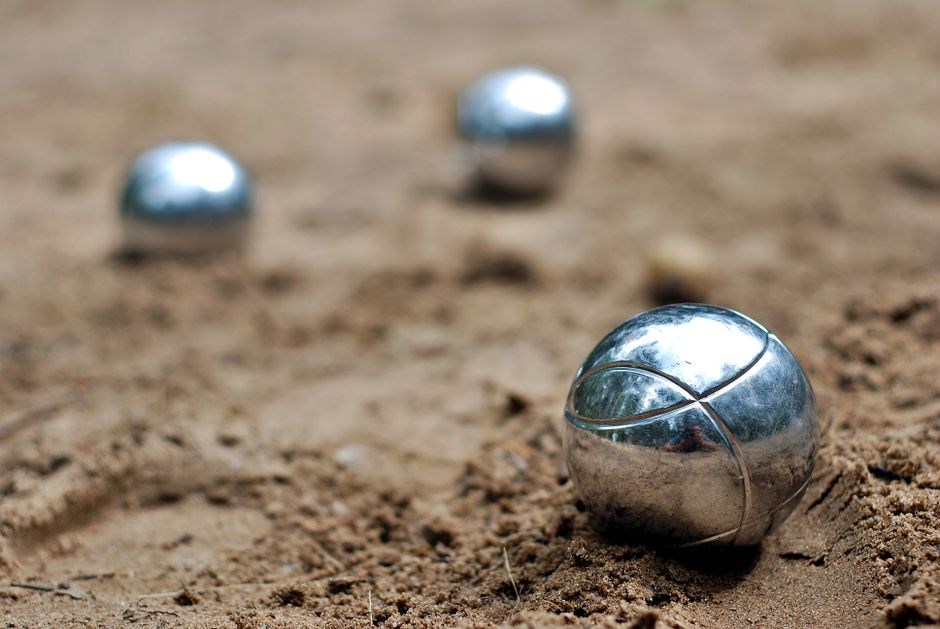
According to the official Bocce Ball Rules PDF, each team is permitted six balls, each measuring 2.5 inches in diameter and weighing between 1.5 and 2.5 pounds. The balls are traditionally made from hardwood or composite materials, finished with a smooth, non‑slip surface to ensure consistent flight. The pallino, the target ball, must be 1 inch in diameter and weigh approximately 0.5 pounds; it is typically a bright color for easy visibility. Courts are required to be flat, level, and free of obstructions, with a minimum playing area of 30 feet by 10 feet for standard play. The surface can be natural grass, synthetic turf, or a paved deck, but must provide a consistent, even playing field. The PDF also specifies that balls and pallino should be marked with the team’s color or number for clear identification. Proper maintenance of equipment and court conditions is essential for fair play and adherence to official Bocce Federation guidelines.
The PDF emphasizes that balls must be free of defects, with no cracks or excessive wear that could alter flight. The pallino’s bright color—often yellow or orange—ensures visibility on varied surfaces. Courts may have a 1‑inch tie‑break zone at each end, marked by a line or flag, to resolve draws. Players should inspect equipment before play, and any damaged ball must be replaced to maintain fairness. The PDF recommends using a ball rack to keep balls and prevent damage during transport. The rack holds all six balls, pallino can be stored separately.!
Playing Field and Setup
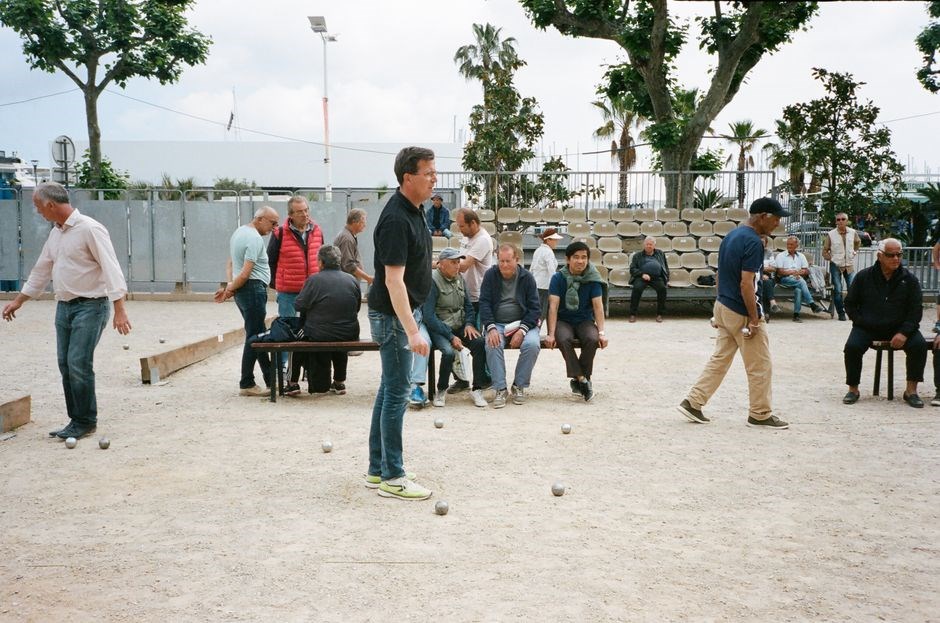
Standard courts measure 30‑foot length by 10‑foot width, with a 1‑inch tie‑break zone at each end. Surfaces may be grass, turf, or paved deck, but must be flat and level. The pallino sits in the center, and balls are delivered from the foul line within the marked area. !
Dimensions, Surface Types, and Tie-Breaking Zones
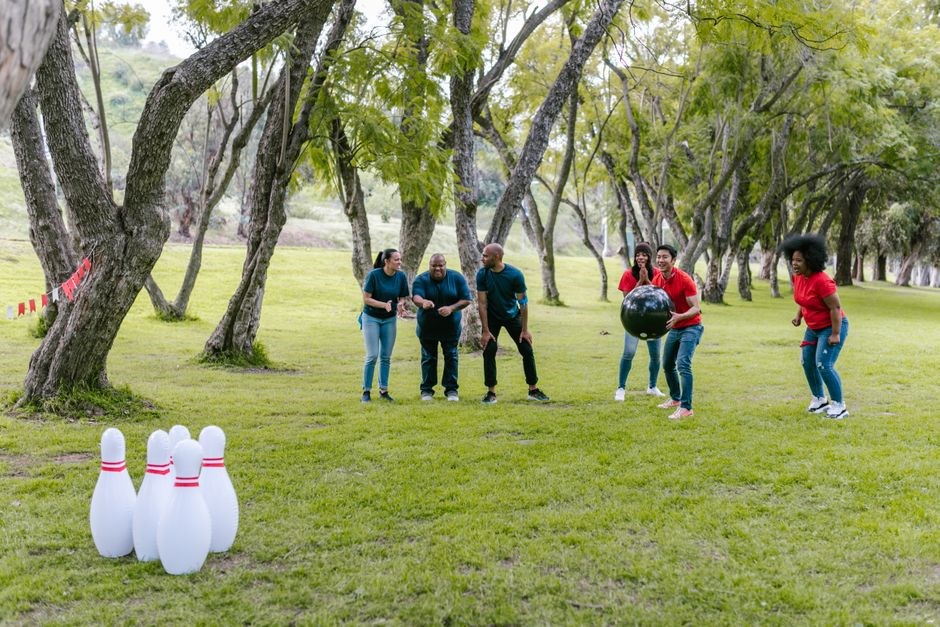
According to the official bocce federation PDF, a standard court is 30 feet long and 10 feet wide, with a 1‑inch tie‑break strip at each end. The playing surface can be natural grass, synthetic turf, or a smooth deck, but must be level and free of debris. The pallino is placed at the center of the court, and each team’s balls are thrown from the foul line within the designated area; The tie‑break zone is used when the pallino is within 1 inch of the court edge; the team that throws a ball closest to the pallino inside this strip wins the tie. Courts may be marked with tape or paint, and the surface must allow the balls to roll without obstruction. The PDF also notes that for informal play, a 20‑by‑8‑foot area is acceptable, but official tournaments require the full 30‑by‑10‑foot dimension. Surface hardness affects ball speed; a softer surface like grass slows the ball, while a hard deck speeds it up, so players adjust their throw accordingly. The tie‑break rule ensures that a ball landing just inside the edge counts, preventing disputes over marginal placements; All measurements are in feet and inches, and the PDF recommends using a tape measure for accurate court setup. For tournaments, the PDF specifies that the court must be inspected by an official judge before play, and any modifications to the surface or boundary lines must be approved in writing to maintain fairness across all matches. Additionally, the PDF recommends appointing a scorekeeper to record points, ensuring transparency and resolving disputes so.

Game Structure and Team Composition
The PDF specifies two-player teams, with third players for groups. Players alternate throws, rotating clockwise after each end. Roles include striker and defender; rotation ensures fairness. Strategy focuses on ball placement and disrupting opponentsplayers
Team Sizes, Player Roles, and Rotation Mechanics
The PDF outlines standard team configurations, typically two players per side for casual play, with optional third players for larger groups. Each team member assumes a specific role: the striker, who delivers the first ball to establish proximity to the pallino, and the defender, who follows to block or reposition opponent balls. In formal tournaments, teams may rotate roles after each end, ensuring that every player experiences both striking and defensive duties. The rotation follows a clockwise sequence: after the striker throws, the next player in line becomes the new striker, while the previous striker assumes a defensive position. This systematic rotation promotes fairness, prevents dominance by a single player, and encourages strategic depth. Players must also respect the “no touch” rule, where a ball cannot be moved by a teammate after it has been released, except for the striker’s own ball. The PDF also details how to handle ties in ball placement, specifying that the closest ball to the pallino wins the end, and if balls are equidistant, the end is declared a draw. These guidelines help maintain consistent play across different venues and skill levels. Teams may also include a designated captain who oversees strategy and ensures adherence to official rules during play. If a foul occurs, the ball is returned to the center and the opposing team takes the next throw. These procedural rules ensure that each player’s contribution is measured fairly, and that the game remains balanced regardless of skill disparities.!!!!!
Throwing Sequence and Order of Play
The PDF details that the team winning the toss throws first, aiming for the pallino. Subsequent balls are delivered from the striker’s position, rotating clockwise. Each ball must be released before landing, with no contact after release. All throws stay.!
Ball Delivery Techniques and Legal Throw Rules
According to the official bocce ball PDF guidelines, the delivery of each ball must follow a strict sequence to maintain fairness and safety. According to the official bocce ball PDF guidelines, the delivery of each ball must follow a strict sequence to maintain fairness and safety. According to the official bocce ball PDF guidelines, the delivery of each ball must follow a strict sequence to maintain fairness and safety. According to the official bocce ball PDF guidelines, the delivery of each ball must follow a strict sequence to maintain fairness and safety. According to the official bocce ball PDF guidelines, the delivery of each ball must follow a strict sequence to maintain fairness and safety. According to the official bocce ball PDF guidelines, the delivery of each ball must follow a strict sequence to maintain fairness and safety. According to the official bocce ball PDF guidelines, the delivery of each ball must follow a strict sequence to maintain fairness and safety. According to the official bocce ball PDF guidelines, the delivery of each ball must follow a strict sequence to maintain fairness and safety. According to the official bocce ball PDF guidelines, the delivery of each ball must follow a strict sequence to maintain fairness and safety. According to the official bocce ball PDF guidelines, the delivery of each ball must follow a strict sequence to maintain fairness and safety. The striker must stand behind the throw line, keeping the ball in hand until the released. Players must avoid stepping over the line before release.
Scoring System and Winning Conditions
The PDF states end finishes when all balls are thrown. The nearest ball to the pallino scores one point per ball closer than the opponent’s Play continues until a team reaches 12 or 15 points, depending on the format. A sudden‑death throw now breaks ties
Point Allocation, End Rounds, and Match Victory Criteria
In the official PDF, scoring is straightforward: after each end, the team whose ball is closest to the pallino earns one point for every ball that remains closer than the opponent’s nearest ball. A typical match is played to 12 points, though tournament rules may extend to 15 or 21 for longer play. Each end consists of two teams throwing four balls in alternating turns, with the team that had the last legal throw in the previous end starting the next; Only balls within the court boundaries count; any ball that lands outside the playing surface or on a marked out‑of‑bounds line is removed from scoring. If both teams finish an end with the same number of points, the end is a draw and no points are awarded, but play continues until one side reaches the required total. A sudden‑death end can be invoked when a match is tied at the final score, requiring each team to throw a single ball and the nearest to the pallino wins the match. The PDF also references the International Bocce Federation’s official regulations, which standardize scoring, court dimensions, and equipment specifications to ensure consistency across competitions worldwide. Matches may also be played as best‑of‑three or best‑of‑five ends, depending on the event format. In such cases, the first team to win two or three ends wins the match. A tie after the final end triggers a sudden‑death throw. All rules are governed by the official federation guidelines.

Common Variations and Tournament Formats
The PDF details regional twists: 4‑ball, 6‑ball, and “Bocce Bowl” styles, plus league play, knockout brackets, and round‑robin tables. It cites FIB guidelines, scoring adjustments, and match‑length options for casual and pro tournaments alike. See PDF.
Regional Rule Differences and Official Bocce Federation Guidelines
In the PDF, the governing body of bocce—FIB—provides a comprehensive set of regulations that vary by country. Italian Boccia, for instance, uses a 12‑ball “pallino” and allows a “boccia” to be delivered from a 6‑meter line, while Croatian rules permit a 10‑meter throw and a 6‑ball format. In Venezuela, the game was introduced in the late 15th century by a Spanish friar and now follows a hybrid rule set that blends Italian precision with local beach‑style play. The PDF also highlights that the FIB’s official guidelines mandate a 27‑meter court length, a 2‑meter width for the “pallino” zone, and a 2‑meter tie‑break area. It further explains that scoring is capped at 12 points per end, with a 7‑point win condition in tournament play. Players must adhere to the “no‑touch” rule, meaning the ball cannot be moved once it lands, and the “ball‑in‑bounds” requirement, which ensures all balls remain on the playing surface; The document offers a printable version for quick reference during matches, and it includes a glossary of terms such as “pallino,” “boccia,” and “end.”
Additionally, the PDF explains that a “handicap” system may be applied to level the playing field, assigning a numerical value to each team based on past performance. The guidelines detail the use of a “tiebreaker” ball, which is thrown after all regular balls to resolve a draw. Finally, the document includes a QR code link to the FIB website for updates and rule changes. See PDF. Info!